Best Air Quality Monitors
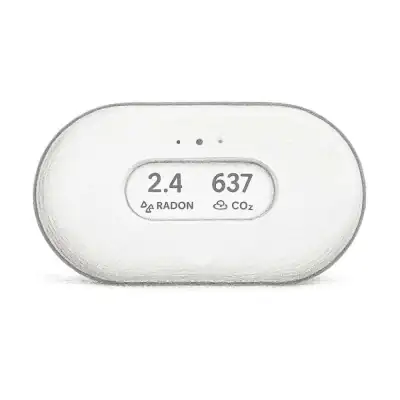
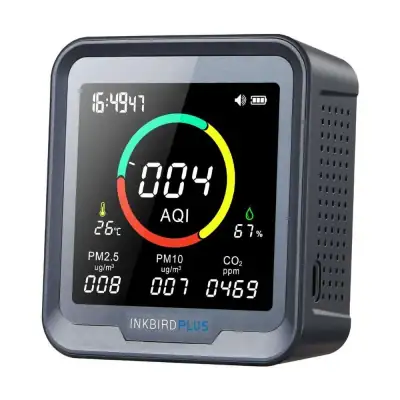
According to The Cut List, 3 great picks for the best air quality monitors are uHoo Smart Air Monitor, Airthings View Plus, and INKBIRDPLUS 6-in-1 Indoor Air Quality Monitor.
How we make our picks →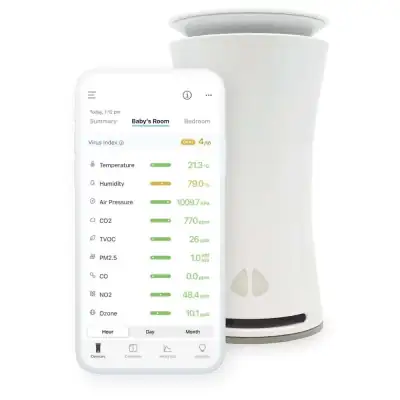
Air quality monitors are devices designed to measure and track the quality of air in a given environment, typically focusing on detecting pollutants, allergens, and other harmful particles. These devices are essential for people who want to ensure they are breathing clean air, whether at home, in the office, or in public spaces. They provide valuable information about the concentration of various pollutants, such as volatile organic compounds (VOCs), particulate matter (PM2.5), carbon dioxide (CO2), and humidity levels.
Why are air quality monitors so important? They offer a tangible way to improve indoor air quality and, by extension, your health. Poor air quality can lead to respiratory issues, allergies, headaches, and fatigue, particularly for those who are sensitive to environmental factors or have existing health conditions. These monitors help you make informed decisions about ventilation, filtration, and lifestyle changes to create a healthier living environment. Whether you’re looking to reduce allergens or protect your family from pollutants, an air quality monitor is an excellent tool to maintain a safe and comfortable home.
How We Select the Best Products
At The Cut List, our shopkeepers curate the best air quality monitors by leveraging deep industry knowledge and insights from trusted sources. We carefully assess the performance, accuracy, and ease of use for each monitor. Our team avoids misleading review websites and affiliate-driven content, ensuring that our recommendations are transparent and trustworthy. Additionally, The Cut List’s selection process is continually refined by engaging with brands and industry experts, utilizing feedback from both consumers and professionals to improve our product curation year after year.
Considerations When Buying
Choosing the right air quality monitor involves understanding a few critical factors. Here’s what to look for in air quality monitors:
- Type of Pollutants Detected: Different air quality monitors detect specific pollutants. Make sure you pick a model that measures the pollutants most relevant to your environment, such as VOCs, carbon monoxide, or particulate matter.
- Accuracy and Sensitivity: Look for monitors that offer real-time data and high sensitivity to small changes in air quality. An accurate monitor will help you quickly respond to pollution or allergens in your home.
- Ease of Use: Consider a monitor with an intuitive display, app compatibility, or integration with smart home devices. User-friendly features like color-coded alerts and mobile notifications can make air quality management hassle-free.
- Portability and Coverage Area: Some air quality monitors are portable and can be moved from room to room, while others are designed to cover larger areas. Choose a monitor that fits the size of the space you want to monitor.
- Power Source: Some devices are battery-operated, while others need to be plugged in. Make sure you select one that fits your preferred setup and location needs.
- Additional Features: Many air quality monitors come with extra features like temperature and humidity readings, or even voice assistant compatibility. Consider whether these added capabilities are useful for your situation.
Variations or Subcategories
There are different types of air quality monitors, each designed for specific purposes. Here are some common variations:
- Indoor Air Quality Monitors: These are designed specifically for use in homes, offices, or other indoor spaces. They typically measure a range of indoor pollutants like CO2, PM2.5, and VOCs.
- Portable Air Quality Monitors: Smaller, battery-powered devices that can easily be moved from place to place. These are ideal for those who travel frequently or need to monitor air quality in multiple rooms.
- Outdoor Air Quality Monitors: Built for external environments, these monitors are more rugged and designed to handle weather conditions while tracking outdoor pollutants like ozone and nitrogen dioxide.
- Smart Air Quality Monitors: These models integrate with smart home systems and provide real-time alerts, automated air purifiers, or even HVAC adjustments based on readings.
Why Buying Air Quality Monitors Direct is Better for Everyone
Purchasing air quality monitors directly from the brand offers clear benefits for both consumers and producers. For consumers, buying directly can mean lower prices since you’re cutting out the middlemen who often inflate costs. Brands also benefit from direct sales, allowing them to retain more of their profits and reinvest in innovation, value, and quality improvements. This creates a positive cycle where brands can offer better air quality monitors at a competitive price, and customers receive more value. Unfortunately, many middlemen inflate prices without adding value, which is why buying direct supports a healthier marketplace for everyone. The Cut List encourages consumers to explore direct purchases to help strengthen this cycle of innovation and savings.
Explore Categories in San Diego


Explore Product Categories