Best Basic Calculators
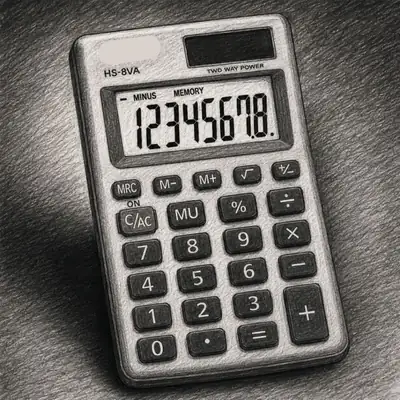
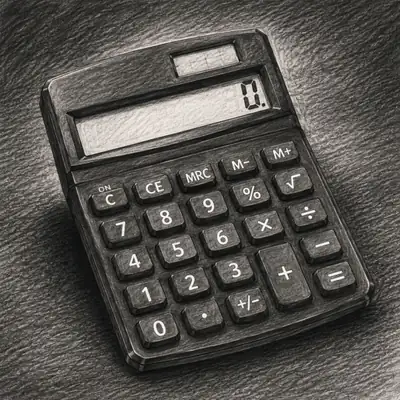
According to The Cut List, 3 great picks for the best basic calculators are Texas Instruments TI-30 ECO RS Solar Powered School Calculator, Casio HS-8VA Practical Calculator, and Amazon Basics LCD 8-Digit Desktop Calculator.
How we make our picks →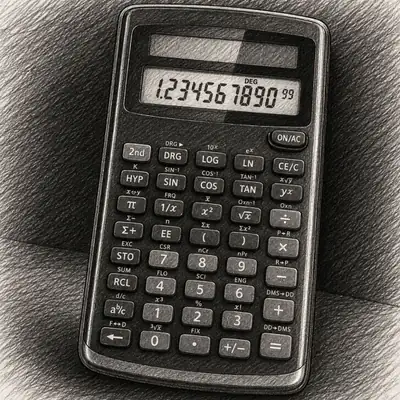
Basic calculators are handheld electronic devices designed to perform fundamental arithmetic functions such as addition, subtraction, multiplication, and division. They’re straightforward tools without advanced scientific or graphing capabilities, making them perfect for everyday tasks like budgeting, grocery math, simple homework, or quick office calculations. Lightweight and user-friendly, basic calculators typically feature large buttons, clear displays, and long battery life, giving users dependable performance without unnecessary complexity. Whether at home, school, or work, a reliable basic calculator helps simplify number-crunching and boosts confidence in everyday math.
How We Select the Best Products
At The Cut List, selecting the best basic calculators involves careful evaluation guided by trusted expertise and real-world usability. Our shopkeepers analyze products using high-trust sources, manufacturer specifications, and verified user experiences. We avoid misleading or affiliate-driven recommendations, focusing instead on functionality, durability, ease of use, and overall value. With ongoing insights from our Interesting Finds Ads and thorough research, we refine our selections to spotlight the top 3 basic calculators that deliver reliable performance, intuitive layouts, and lasting quality. Our goal is to help you find a calculator that truly supports your everyday calculation needs.
Considerations When Buying
Choosing the right basic calculator means paying attention to key features that influence convenience and usability:
- Safety Features: Look for sturdy construction and battery compartments that secure batteries safely to prevent leaks or damage over time.
- Weight/Size/Capacity: Consider compact, lightweight designs that easily fit in backpacks, desks, or pockets, while still offering a clear, readable display.
- Comfort/Quality: Large, tactile buttons, a clear screen, and a responsive keypad improve ease of use and overall satisfaction.
- Portability/Ease of Use: Simple operation, quick power-on, and long battery life (or dual power with solar backup) make daily use hassle-free.
- Additional Features: Extra functions like percentage keys, memory recall, and basic cost/sell/margin calculations add useful versatility without complicating the interface.
Thinking through these factors will help you pick a basic calculator that fits everyday needs with comfort and reliability.
Variations or Subcategories
Basic calculators come in a few variations to suit different users:
- Pocket Calculators: Ultra-compact models ideal for students and on-the-go calculations.
- Desktop Basic Calculators: Larger models with bigger buttons and displays for frequent desk use.
- Dual-Power Calculators: These feature both battery and solar power for extended use without frequent battery replacements.
Each variation offers specific benefits, helping you choose the style that best matches your daily routine.
Why Buying Basic Calculators Direct is Better for Everyone
Buying basic calculators directly from brands benefits both consumers and manufacturers by eliminating unnecessary middlemen and fostering more transparent, fair pricing. Shoppers often enjoy lower costs, direct access to authentic accessories (like protective covers or extra batteries), and the most up-to-date product information when purchasing straight from the source. For manufacturers, direct sales support healthier profit margins that can be reinvested into durable design, improved materials, and responsive customer support. This direct feedback loop helps brands refine future models based on real user experience, resulting in better usability and lasting quality over time. With fewer intermediaries involved, pricing remains competitive and honest—empowering consumers to make confident decisions and enjoy basic calculators that truly meet their everyday calculation needs.
Explore Categories in San Diego


Explore Product Categories