Best Binoculars
According to The Cut List, 3 great picks for the best binoculars are Nocs Standard Issue Waterproof Binoculars (8x25), Nikon MONARCH M5 (8x42), and Athlon Optics Midas UHD (8x42).
How we make our picks →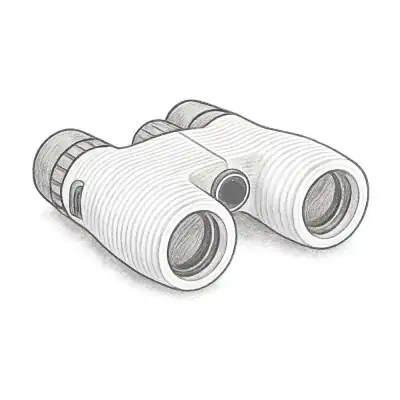
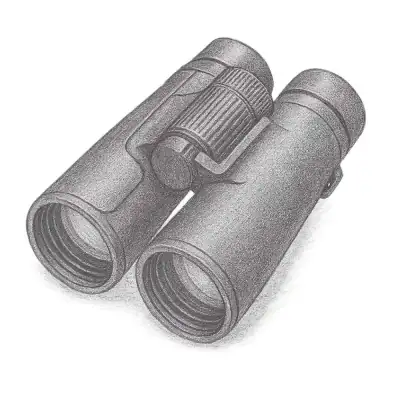
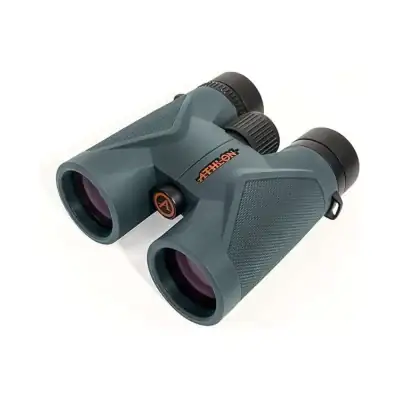
Binoculars are optical instruments designed to magnify distant objects using lenses and prisms to produce a clear, enlarged image. They are essential tools for outdoor activities such as birdwatching, hiking, and sports events, providing users with an enhanced view of their surroundings. Binoculars typically come in various sizes and magnification levels, allowing for versatility in use based on individual preferences and specific activities. In daily life, they are crucial for observing wildlife, sporting events, and natural landscapes, making them an invaluable resource for both casual observers and serious enthusiasts. Understanding the importance of binoculars helps users appreciate their utility in enhancing experiences and broadening horizons.
How We Select the Best Products
At The Cut List, our selection process for the best binoculars combines expert knowledge with thorough research from trusted sources. Our shopkeepers analyze each product, relying on insights from reputable publications. While we depend on our in-house expertise for recommendation, we also carefully check third-party reviews to ensure the authenticity and performance of our picks. Our shopkeepers are skilled at identifying and avoiding misleading review sites and affiliate-driven content. Through ongoing communication with industry experts and brands via our Interesting Finds Ads, we continuously strengthen our product recommendations, ensuring they meet our users’ evolving needs.
Considerations When Buying Binoculars
When selecting binoculars, keep the following factors in mind to ensure you make the best decision for your needs:
- Magnification: Higher magnification brings distant objects closer but may reduce stability; consider the balance between magnification and field of view.
- Objective Lens Diameter: This measurement (in millimeters) affects light gathering capability; larger lenses perform better in low light conditions.
- Field of View: A wider field of view lets you capture more action simultaneously, which is particularly useful for observing moving subjects.
- Weight and Size: Choose a lightweight and compact option for ease of carrying during outdoor activities.
- Lens Coating: Look for fully multi-coated lenses for better light transmission and image quality.
Knowing what to look for in binoculars will help you select a great pair suited to your specific activities.
Variations or Subcategories
Binoculars come in various types, each catering to specific needs:
- Compact Binoculars: Lightweight and portable, perfect for travelers and casual users.
- Full-Size Binoculars: Offer superior optical performance with larger lenses but require more space and are heavier.
- Waterproof Binoculars: Designed for harsh outdoor environments, ideal for birdwatching and marine use.
- Night Vision Binoculars: Equipped with special optics to allow for use in low-light conditions, great for wildlife observation at dusk or dawn.
These variations ensure consumers can find the right binoculars to fit their unique situation and usage patterns.
Why Buying Binoculars Direct is Better for Everyone
Purchasing binoculars directly from manufacturers benefits both consumers and producers by eliminating intermediaries, which often leads to better pricing and higher product authenticity. This direct connection enables brands to invest more in product development, quality assurance, and customer support. Consequently, consumers gain access to better binocular products at competitive prices. In contrast, monopolistic middlemen can inflate prices while providing little added value, disrupting a healthy economic cycle. Supporting direct purchases fosters fair pricing while encouraging continuous innovation and quality improvements in the optics industry, ultimately benefitting everyone involved.
Explore Categories in San Diego


Explore Product Categories