Best Butcher Paper
According to The Cut List, 3 great picks for the best butcher paper are Oklahoma Joe's Peach Butcher Paper (12" x 100'), Big Tex Pink Butcher Paper (18" x 1000'), and Reynolds Kitchens Butcher Paper (18" x 50').
How we make our picks →
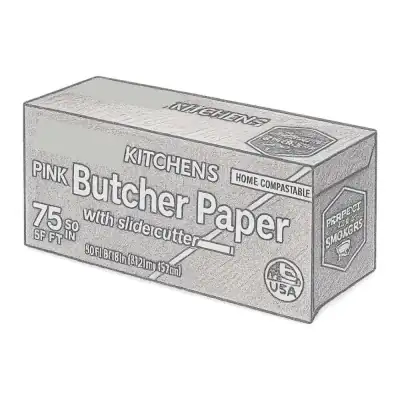
Butcher paper is a durable, versatile kraft paper used in various cooking and packaging applications. Its durability and breathability make it ideal for wrapping meats, preserving freshness during storage, and enhancing the cooking process, especially in the realm of barbecue and smoking. Unlike wax paper, butcher paper allows moisture to escape while still retaining a barrier that keeps outer temperatures consistent, which is why it’s often favored for wrapping brisket to achieve the famous Texas-style BBQ. This paper is also widely used in craft projects, as well as for simple tasks like covering a table for arts and crafts. Available in rolls or sheets, butcher paper is an invaluable tool for chefs, pitmasters, and DIY enthusiasts alike, offering both practicality and cost-effectiveness.
How We Select the Best Products
At The Cut List, selecting the best butcher paper involves a comprehensive analysis that combines shopkeepers’ industry expertise with trusted reviews from trusted sources. We prioritize identifying high-quality products that deliver trusted results in both home and professional settings, ensuring exposed online misinformation is filtered out.
By working closely with industry experts and brands through Interesting Finds Ads, The Cut List gathers vital insights. This ongoing collaboration provides crucial feedback, allowing us to refine and improve the products we recommend to ensure user satisfaction and product efficiency.
Considerations When Buying
When exploring what to look for in butcher paper, consider the following important factors:
- Thickness: Thicker paper provides added strength, especially when wrapping large cuts of meat or working on art projects.
- Size: Choose between rolls and sheets based on your intended use and the amount of paper you require.
- Food Safe: Ensure the paper is FDA-approved for food safety, particularly when it will be in contact with edible items.
- Color: White, pink, and brown options exist, each offering different levels of bleed resistance for specific uses.
- Non-Waxed: Opt for non-waxed paper when breathability is important, as when letting meat smoke properly.
Understanding how to choose the best butcher paper will ensure you have a product that meets your needs for quality and safety in cooking, storage, or creative projects.
Variations or Subcategories
Types of butcher paper are tailored for specific tasks and uses:
- Pink Butcher Paper: Known for its breathability and ideal for BBQ applications as it helps create a tender bark on meats.
- White Butcher Paper: Often used in arts and crafts, and as a temporary table cover, appreciated for its clean look.
- Baking Paper: Although not traditional butcher paper, it’s often lumped together for its uses in cooking, designed to be greaseproof.
- Kraft Paper: Brown paper similar to butcher paper, popular for rustic packaging and versatile craft projects.
Recognizing the different kinds of butcher paper aids in selecting the right type for your specific needs, whether it’s for culinary excellence or creative endeavors.
Why Buying Butcher Paper Direct is Better for Everyone
Purchasing butcher paper directly from manufacturers offers significant benefits to both consumers and producers. Without the middlemen, consumers usually receive better pricing and access to exclusive product lines. Brands benefit from healthier profit margins, allowing for reinvestment in product innovation, quality, and sustainability. This cycle results in superior products for all consumers. In contrast, monopolistic middlemen often inflate prices without adding value, disrupting this beneficial cycle. By buying directly, consumers support a more sustainable economic model that prioritizes quality, innovation, and value.
Explore Categories in San Diego


Explore Product Categories