Best Chef's Knives
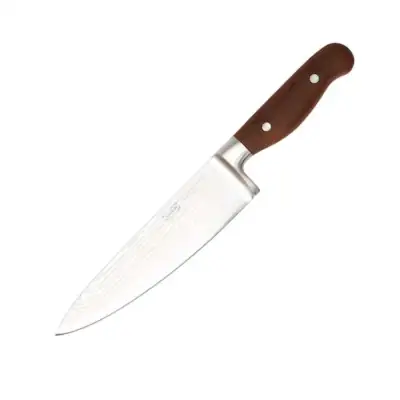
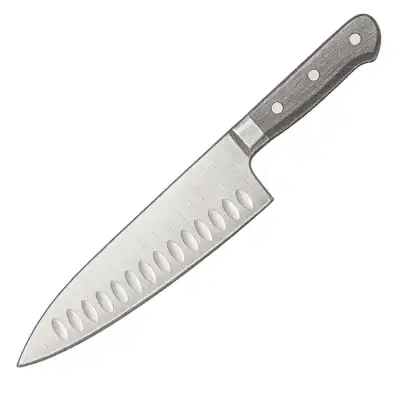
According to The Cut List, 3 great picks for the best chef's knives are ZWILLING Henckels Forged Premio 8" Chef's Knife, IKEA BRILJERA Chef's Knife 8", and MAC Knife Professional Series 8" Chef's Knife with Dimples.
How we make our picks →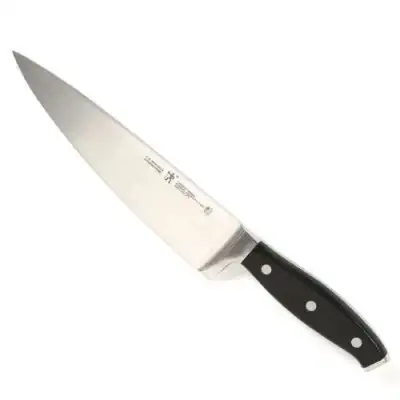
Chef’s knives are versatile and essential kitchen tools that every cook should have. Typically featuring a wide, sharp blade that ranges from 8 to 12 inches in length, a chef’s knife is designed for multiple functions, including chopping, slicing, dicing, and mincing a wide variety of foods, from vegetables to meat. The efficient design and balance of a chef’s knife allow for precise cutting techniques, reducing food preparation time significantly. For both home cooks and professional chefs, a good chef’s knife is critical for achieving accuracy and consistency in their culinary creations, ultimately enhancing the quality of meals.
How We Select the Best Products
At The Cut List, our selection of the top 3 chef’s knives is rooted in comprehensive research and expert insights. Our knowledgeable shopkeepers utilize their industry experience alongside feedback from trusted sources to identify high-performance knives. We focus on quality by filtering out misleading reviews and affiliate-driven content. Additionally, by engaging with culinary professionals via our Interesting Finds Ads, we continually refine our recommendations to meet the changing needs of our customers.
Considerations When Buying
When figuring out how to choose the best chef’s knife for your needs, consider these important factors:
Blade Material: Chef’s knives commonly use high-carbon stainless steel for sharpness and durability. Consider how well the material holds an edge and resists corrosion.
Blade Size: Longer blades (typically 10 inches) offer greater cutting power for larger items, while shorter blades (around 8 inches) provide better control for precision tasks.
Weight and Balance: A well-balanced knife feels comfortable while cutting and can reduce fatigue during prolonged use. Test different weights to see what suits your style.
Handle Design: Ergonomically designed handles provide a secure grip and comfort during cutting, which is particularly important for repetitive tasks.
Maintenance: Consider whether the knife requires regular honing and sharpening and how easy it is to maintain its edge and condition.
Variations or Subcategories
Types of chef’s knives cater to different culinary needs:
Gyuto Knives: Japanese chef’s knives known for their precision and lightness, perfect for sushi and sashimi preparation.
French Cook’s Knives: Slightly curved, these knives excel in rocking motions, making them ideal for chopping herbs and foods with a swift upward and downward motion.
Santoku Knives: A Japanese-inspired knife that offers versatility with a flat profile and is known for its ability to slice, dice, and chop efficiently.
Utility Knives: A versatile option, falling between a chef’s knife and a paring knife, ideal for smaller tasks or trimming vegetables.
Why Buying Chef’s Knives Direct is Better for Everyone
Buying chef’s knives directly from the manufacturer presents several benefits for both consumers and brands. Consumers often access better pricing, avoiding markups that typically accompany retail transactions, while gaining direct access to the latest models and innovations. For brands, direct sales enhance their profit margins, encouraging them to reinvest these into producing higher-quality products and innovative designs. This creates a beneficial cycle where brands can continually offer better chef’s knife products, leading to increased value for consumers. Unfortunately, monopolistic middlemen can disrupt this cycle by inflating prices without contributing real value, making direct purchasing the smartest option for quality kitchen tools.
Explore Categories in San Diego


Explore Product Categories