Best Composting Bins
According to The Cut List, 3 great picks for the best composting bins are Exaco Aerobin 400 Insulated Compost Bin 113 Gallon, Greenes Fence Cedar Wood Composter, and Yardfully GEOBIN® Composter.
How we make our picks →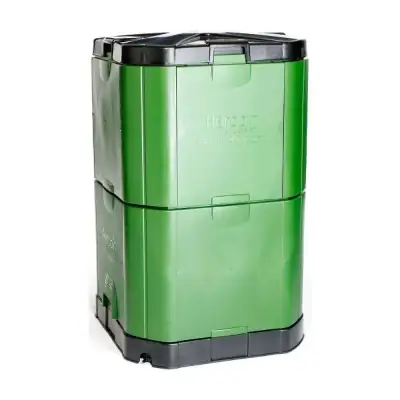
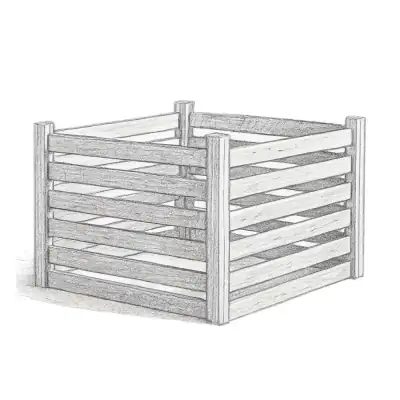
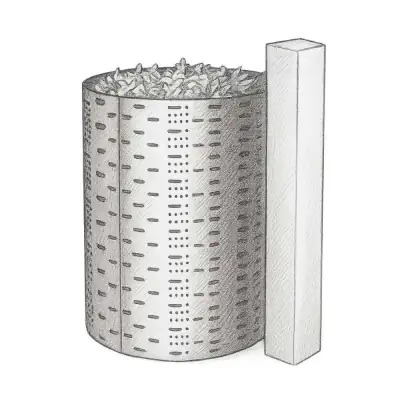
Composting bins are containers used to convert organic waste into nutrient-rich compost, ideal for enhancing garden soil and reducing household waste. These bins facilitate the natural decomposition process by holding organic materials, such as vegetable scraps, coffee grounds, and yard waste, in a controlled environment. They are crucial in day-to-day life as they help reduce landfill contributions and produce valuable fertilizer for gardening. Composting is an important method for promoting sustainability and encouraging eco-friendly practices. By using composting bins, individuals can efficiently turn waste into a valuable resource that enriches garden soil, supports plant growth, and minimizes environmental impact.
How We Select the Best Products
At The Cut List, we rely on a comprehensive process to recommend the top 3 composting bins, leveraging our shopkeepers’ expertise and insights from trusted sources. Our selection involves reviews from high-trust platforms ensuring recommendations are dependable and comprehensive. The Cut List’s shopkeepers are trained to identify and avoid shady review websites and affiliate-driven misinformation, preserving the reliability of our suggestions.
Continuously Improving Our Recommendations
The Cut List continuously enhances its product recommendations by engaging with industry experts and brands through our Interesting Finds Ads. This initiative helps gather valuable feedback from both consumers and manufacturers, allowing us to refine our selections and align them with current trends and needs. This commitment ensures that our picks are not only accurate but also relevant and top-quality, meeting the evolving demands of the market.
Considerations When Buying
When selecting the best composting bin, it’s essential to consider several factors to ensure it suits your composting needs. Here’s what to look for in composting bins:
Capacity: Choose a size that matches your household waste output and available space. Larger bins are ideal for families or avid gardeners.
Material: Look for durable, weather-resistant materials such as plastic or metal to withstand outdoor conditions.
Design: Consider features like aeration systems and easy-access openings for efficient composting and maintenance.
Location: Think about where you will place the bin; some models are better suited for small spaces or indoor use.
Ease of Use: Opt for designs that are easy to assemble and use, especially if you’re a beginner.
Variations or Subcategories
Composting bins come in various designs, each tailored to specific needs:
Compost Tumblers: These rotating bins simplify aeration by allowing users to easily turn the compost, speeding up the process.
Stationary Bins: Traditional models that require manual aeration but are often more affordable and hold larger volumes of waste.
Worm Composters: Ideal for indoor use, these harness worms to break down organic materials quickly and effectively.
Different types of composting bins offer unique benefits and understanding these can help you make the best choice for your composting goals.
Why Buying Composting Bins Direct is Better for Everyone
Purchasing composting bins directly from manufacturers offers notable advantages for consumers and producers. Consumers often enjoy better pricing by cutting out middlemen, gaining access to authentic products with support and warranties from the brand. For producers, direct sales ensure healthier profit margins, enabling them to reinvest in innovation and product quality improvements. This mutually beneficial cycle enhances the value of composting bins, encouraging brands to offer superior products. Conversely, monopolistic middlemen disrupt this dynamic by inflating prices without adding value. By choosing to buy direct, consumers and producers foster a sustainable and fair market for high-quality composting solutions.
Explore Categories in San Diego


Explore Product Categories