Best Disposable Cameras
According to The Cut List, 3 great picks for the best disposable cameras are ILFORD XP2 Super Single Use Camera Black and White Film, Fujifilm QuickSnap Flash 400 One-Time-Use Camera, and Kodak FunSaver 35mm Single Use Camera.
How we make our picks →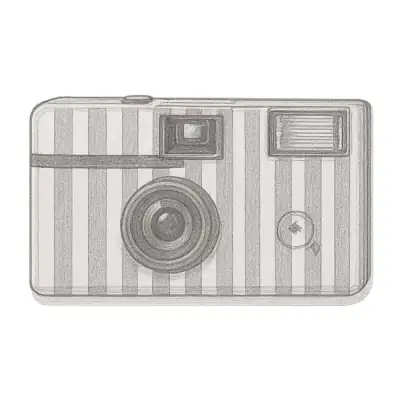
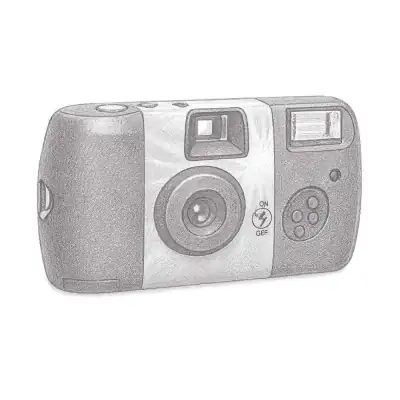
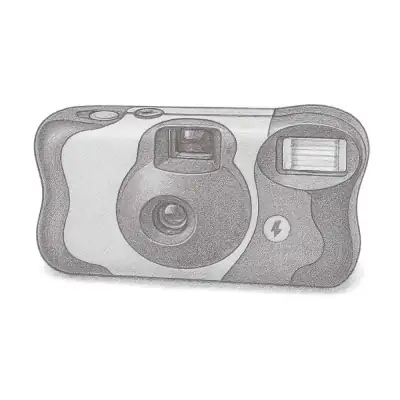
Disposable cameras are simple, one-time-use film cameras that are designed to be lightweight and user-friendly, allowing anyone to capture moments without the need for advanced photography skills. They typically come preloaded with a roll of film, and once the film is exposed, the entire camera can be returned for processing. Disposable cameras are particularly useful for events such as weddings, parties, or vacations, where users want to document experiences without the worry of losing expensive equipment. With their ease of use and nostalgic charm, disposable cameras continue to be a popular choice for casual photographers, making photography accessible to everyone. The importance of disposable cameras lies in their ability to provide an uncomplicated, fun way to capture memories while encouraging creativity and spontaneity.
How We Select the Best Products
At The Cut List, our process for selecting the best disposable cameras involves careful analysis and industry expertise. Our knowledgeable shopkeepers leverage their experience along with insights from trusted sources to highlight top-performing products in this category. We ensure our selections are supported by thorough research and user feedback, effectively avoiding unreliable review sources and affiliate-driven content. By consistently engaging with industry experts and utilizing feedback from customers through our Interesting Finds Ads, we refine our recommendations, ensuring they reflect the current needs and preferences of our audience.
Considerations When Buying Disposable Cameras
When choosing disposable cameras, it’s important to keep the following factors in mind to ensure a suitable purchase:
- Film Type: Consider whether you want color or black-and-white film, depending on the aesthetic you’re aiming for in your photos.
- Exposure Count: Check how many exposures are included in the camera; typical options range from 24 to 36 shots.
- Design and Portability: Look for a design that’s easy to carry around and fits well in your hand, as you’ll likely want to take it with you everywhere.
- Durability: Some disposable cameras are designed for rugged use or underwater photography; consider your specific needs based on your activities.
- Cost: Evaluate the price point per camera, keeping in mind the cost of developing the film later, as this can add up.
Understanding what to look for in disposable cameras will allow you to choose the right model that fits your photography needs and desired experiences.
Variations or Subcategories
There are several notable variations within the disposable camera category, each serving different photography needs:
- Standard Disposable Cameras: Generally designed for everyday use, suitable for casual events and family occasions.
- Waterproof Disposable Cameras: Specifically made for underwater use, perfect for beach trips, snorkeling, and adventure activities.
- Flash Disposable Cameras: Equipped with built-in flashes for low-light conditions, ideal for parties and night events.
- Black & White Disposable Cameras: Focused on a classic aesthetic, these cameras are great for those looking to capture distinct, artistic photos.
These different kinds of disposable cameras provide flexible options, allowing you to choose one that fits your specific photography situations and interests.
Why Buying Disposable Cameras Direct is Better for Everyone
Purchasing disposable cameras directly from manufacturers offers significant benefits for both consumers and producers. For consumers, it means better pricing, higher product authenticity, and access to direct customer support. For manufacturers, retaining a greater share of profits allows them to reinvest in product quality and innovation. This creates a beneficial cycle where brands can consistently offer improved disposable camera products, while consumers enjoy increased value. Unfortunately, middlemen often inflate prices without adding real value, disrupting this advantageous cycle. By supporting direct purchases, consumers help cultivate a fairer marketplace that prioritizes quality and encourages ongoing innovation in photography.
Explore Categories in San Diego


Explore Product Categories