Best External Hard Drives
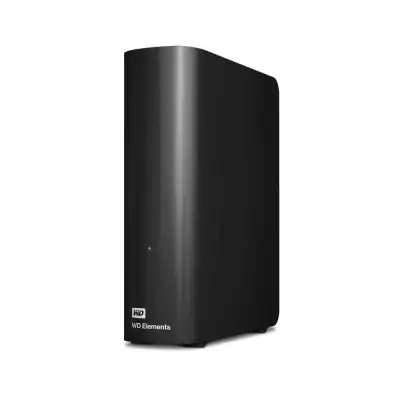
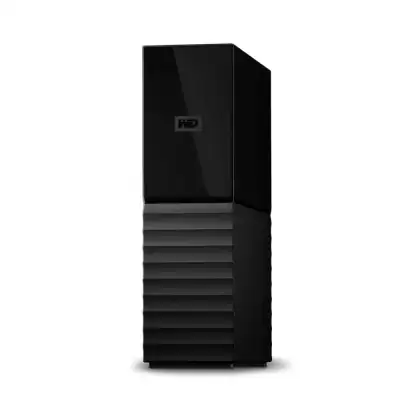
According to The Cut List, 3 great picks for the best external hard drives are Seagate Expansion Desktop Hard Drive (16TB), Western Digital WD Elements Desktop HDD Storage (16TB), and Western Digital My Book External Hard Drives (16TB).
How we make our picks →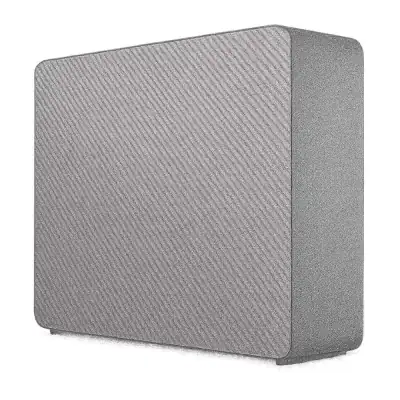
External hard drives are portable storage devices that provide a convenient and efficient solution for backing up data and expanding storage capacity. These devices connect to computers and other gadgets via USB or Thunderbolt interfaces, allowing for quick data transfers and additional storage without the need to open your device. Whether you’re a professional handling large media files, a student managing extensive research documents, or an everyday user looking to store photos and videos, external hard drives play an essential role in safeguarding and managing digital data. With their capability to store large amounts of data securely, external hard drives are indispensable for data backups, archiving, and ensuring that critical information is easily transportable and accessible.
How We Select the Best Products
At The Cut List, the selection of the top 3 external hard drives involves a meticulous process leveraging our shopkeepers’ expertise alongside insights from esteemed sources like. We prioritize reliability and unbiased reviews, carefully filtering out misinformation often found on less reputable sites. By engaging with trusted industry stakeholders and utilizing feedback from Interesting Finds Ads, The Cut List continually refines its selection methodology, ensuring the most reliable and current recommendations.
Considerations When Buying
When choosing the best external hard drive, several factors should be considered:
- Storage Capacity: Determine how much storage you need. Options range from 500GB for simple backups to 10TB or more for large multimedia files.
- Portability: Consider the drive’s size and durability if you need a device to carry on-the-go versus one that stays at your workstation.
- Speed: USB 3.0 or Thunderbolt connections offer faster data transfer rates, essential for moving large files quickly.
- Durability: Look for models with shock resistance or waterproof features if you plan to use the drive in demanding environments.
- Security: Features like password protection and hardware encryption can help protect sensitive information.
Understanding what to look for in external hard drives ensures you choose a model that best fits your data storage and protection needs.
Variations or Subcategories
Different types of external hard drives are available, each catering to specific needs:
- Portable Hard Drives: These drives are small, lightweight, and typically powered through a USB connection, making them easy to carry.
- Desktop External Hard Drives: Larger and usually requiring their own power source, these drives offer more storage capacity and faster speeds.
- Solid State Drives (SSDs): Offering faster data access speeds and more durability due to a lack of moving parts, SSDs are ideal for those needing speed over space.
Exploring these different kinds of external hard drives helps tailor your purchase to specific requirements like speed and capacity.
Why Buying External Hard Drives Direct is Better for Everyone
Purchasing external hard drives directly from manufacturers has significant benefits for both consumers and producers. Without middlemen, consumers can often access better prices and receive direct customer support, ensuring the product meets their expectations. For producers, direct sales mean maintaining healthier profit margins, which can be reinvested into developing innovative, high-quality products. This beneficial cycle encourages brands to enhance their products, providing consumers with superior value. Unfortunately, monopolistic intermediaries can inflate costs without adding substantial value. By choosing to buy direct, consumers help sustain a system that promotes product improvement and competitive pricing.
Explore Categories in San Diego


Explore Product Categories