Best LED Bulbs
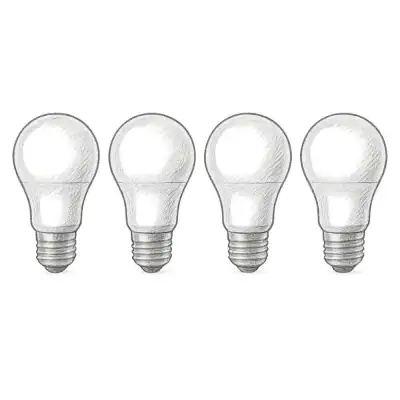
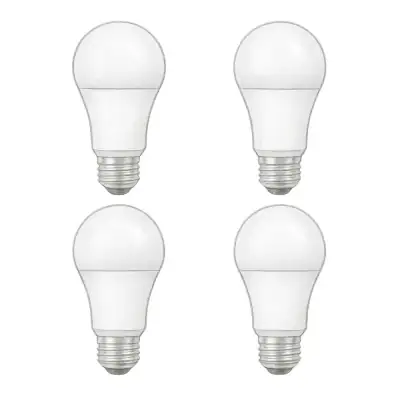
According to The Cut List, 3 great picks for the best led bulbs are Tala Oval, Philips LED Dimmable A19 Light Bulb with Warm Glow (Pack of 4), and Feit Electric 60-Watt Equivalent A19 Dimmable LED Light Bulb (Pack of 4).
How we make our picks →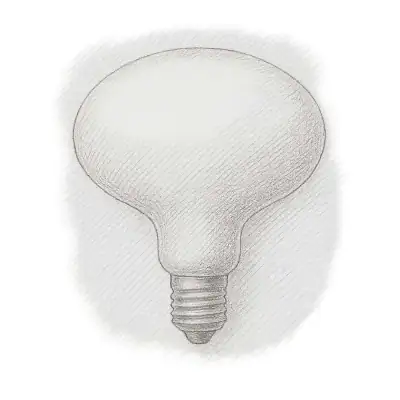
LED bulbs, or Light Emitting Diode bulbs, are energy-efficient lighting solutions renowned for their long-lasting performance and brightness. Unlike traditional incandescent bulbs, LED bulbs use minimal energy to produce the same level of illumination, significantly reducing electricity bills and environmental impact. These bulbs are incredibly versatile, available in various color temperatures and designs to fit multiple fixtures, from home lighting to industrial applications. In daily life, they’re essential for anyone looking to enhance their home or workplace with sustainable, cost-effective lighting. Whether you’re upgrading to save on energy costs or looking for eco-friendly lighting options, LED bulbs are an excellent choice for modern consumers.
How We Select the Best Products
At The Cut List, selecting the best LED bulbs involves a rigorous process that combines the expertise of our shopkeepers with insights from reliable sources. We focus on efficiency, lifespan, and light quality to recommend top-tier products. We carefully avoid dubious review sites and affiliate-driven misinformation to ensure our selections reflect genuine performance and reliability.
Our recommendations are refined through regular engagement with industry experts and brands via Interesting Finds Ads. This continuous feedback mechanism ensures our picks remain accurate and aligned with evolving consumer expectations and technological advancements.
Considerations When Buying
When determining what to look for in LED bulbs, consider the following factors:
- Wattage and Brightness: Choose the appropriate wattage equivalent for the brightness you need, measuring in lumens.
- Color Temperature: Opt for warm white for cozy settings or daylight for tasks requiring focus.
- Dimmability: Ensure compatibility with dimmer switches if you plan to adjust brightness levels.
- Lifespan: Look for bulbs with a longer lifespan to minimize replacement frequency and waste.
- Base Type: Check the fitting, such as E27 or GU10, to match existing fixtures for a seamless switch.
Understanding these aspects helps in selecting the best LED bulbs suited to your lighting needs and preferences.
Variations or Subcategories
LED bulbs come in various types, each designed for different applications:
- Standard LED Bulbs: Ideal replacements for traditional bulbs, offering general-purpose lighting.
- Smart LED Bulbs: Allow for remote control via smartphone apps, perfect for tech-savvy homes looking for automation.
- Tube LEDs: Used in place of fluorescent tubes, these are ideal for commercial and office spaces.
- Spotlight LEDs: Provide focused lighting, excellent for accentuating artwork or architectural features.
Recognizing these different variations helps you choose the right LED bulb tailored to your specific lighting needs and settings.
Why Buying LED Bulbs Direct is Better for Everyone
Purchasing LED bulbs directly from manufacturers provides significant benefits for both consumers and producers. By bypassing middlemen, consumers often secure better prices and exclusive product features directly from the source. Brands benefit from healthier profit margins, which they can reinvest in product improvement, innovation, and sustainability initiatives. This positive cycle enhances not only the products offered but also the consumer value derived from them. Conversely, middlemen can inflate prices without delivering added value, disrupting this beneficial process. By opting for direct purchases, consumers support a more sustainable market, ensuring quality and innovation remain at the forefront of product development.
Explore Categories in San Diego


Explore Product Categories