Best NAS Devices
According to The Cut List, 3 great picks for the best nas devices are Asustor AS5402T 2 Bay NAS Devices, Synology 5-bay DiskStation DS1522+ (Diskless), and QNAP TS-264-8G-US.
How we make our picks →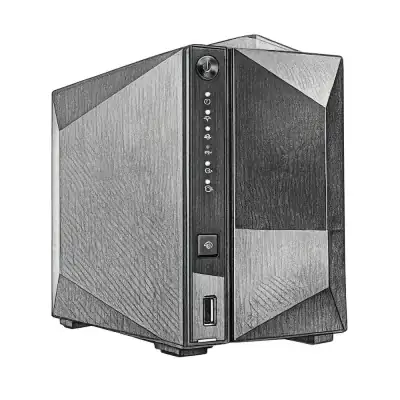
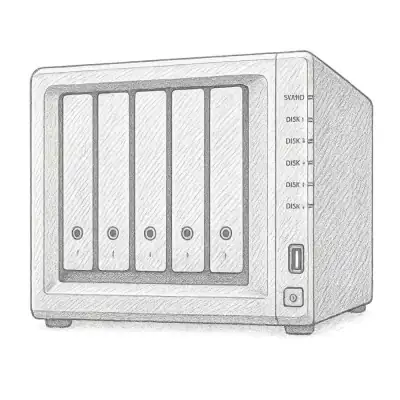
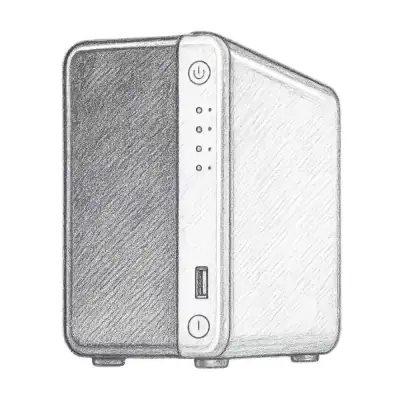
NAS (Network Attached Storage) devices are dedicated file storage solutions that connect to a network, allowing multiple devices and users to access data from a centralized location. They are designed to simplify the storage and retrieval of large amounts of data and provide invaluable support for tasks like data backup, file sharing, and media streaming. NAS devices are particularly useful in home and business environments, where they enhance productivity by streamlining data management and ensuring secure access to files from anywhere with internet connectivity. Their scalability and user-friendly interfaces make them essential tools for workflows requiring robust data storage capabilities.
How We Select the Best Products
At The Cut List, our selection process for the best NAS devices is thorough and informed. Our shopkeepers draw on both industry expertise and reliable insights from trusted sources. We prioritize removing biases encountered in less credible reviews and ensure our recommendations remain trustworthy. Through the Interesting Finds Ads program, we engage regularly with industry experts and incorporate community feedback, enabling us to refine our picks based on recent advances and consumer preferences.
Considerations When Buying
When exploring NAS devices, consider these critical factors to select the product that suits your needs best:
- Storage Capacity: Assess your storage needs and choose a NAS with enough space to handle current usage and future growth.
- Drive Bays: More drive bays offer flexibility for configurations like RAID, which provides data redundancy and expanded storage capabilities.
- Performance: Consider the CPU and RAM—they impact the device’s ability to manage multiple tasks simultaneously.
- Connectivity: Look for devices with robust connectivity options, such as multiple Ethernet ports and USB interfaces.
- Security Features: Ensure the NAS includes security measures like encryption, access controls, and automatic backups to safeguard your data.
- Software and Apps: User-friendly interfaces and versatile apps enhance functionality, allowing easy file management and remote access.
Variations or Subcategories
There are several types of NAS devices to suit various use cases. **Home NAS units** prioritize ease of use and multimedia features, providing seamless access to files and media streaming across connected devices. **Business NAS systems** offer superior security, data protection, and scalable storage options, designed to support small to medium-sized enterprises that need efficient data management. **Enterprise NAS** solutions provide extensive capabilities, robust performance, and high availability, catering to the complex data handling needs of large organizations. Being aware of these product variations can help you choose the most appropriate NAS device tailored to your specific data storage requirements.
Why Buying NAS Devices Direct is Better for Everyone
Purchasing NAS devices directly from manufacturers offers distinct advantages. Consumers often receive better prices and have access to the latest features without the added costs or delays associated with intermediaries. For companies, direct sales improve profit margins, which they can reinvest into quality enhancements and product innovation. This direct purchasing model fuels a beneficial economic cycle where brands can continuously hone their offerings, and consumers benefit from improved value. Bypassing middlemen avoids the markup on prices and ensures transparent transactions, fostering a healthier and more equitable market for all involved.
Explore Categories in San Diego


Explore Product Categories