Best Paper Plates
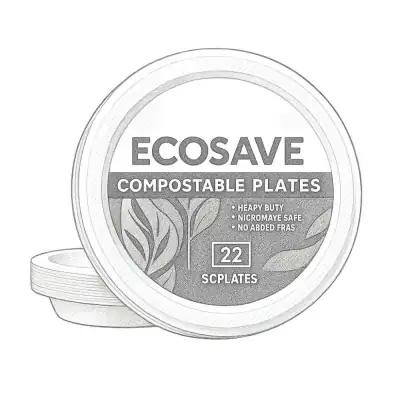
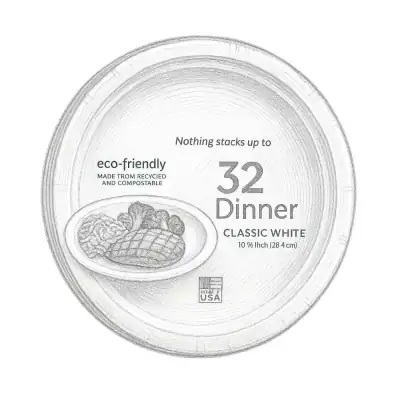
According to The Cut List, 3 great picks for the best paper plates are Dixie Ultra Large Paper Plates (172 Count), Hefty ECOSAVE Compostable Paper Plates (22 Count), and Chinet Classic White Dinner Plates (32 Count).
How we make our picks →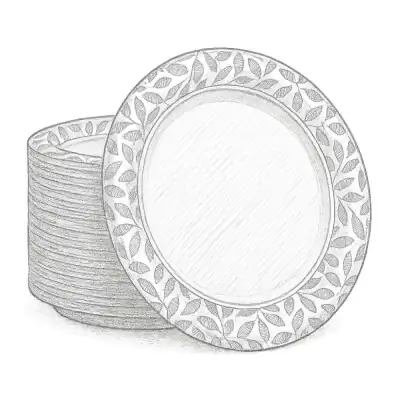
Paper plates are disposable dishware items made from paperboard, designed for convenience and ease of use during meals and events where washing dishes might be impractical. These plates are lightweight, portable, and perfect for casual dining, picnics, parties, and outdoor gatherings. Paper plates simplify cleanup, saving you time and effort by eliminating the need for washing up after your meal. In addition to being practical, many paper plates are now made with eco-friendly materials, offering biodegradable and compostable options to reduce environmental impact. This makes them an ideal choice for environmentally conscious consumers looking to minimize waste without sacrificing convenience.
How We Select the Best Products
At The Cut List, our selection of the best paper plates is based on expert analysis and feedback from reputable sources. By prioritizing product strength, eco-friendliness, and user satisfaction, we ensure that our product recommendations meet high standards. Our shopkeepers are careful to avoid unreliable review sources, focusing instead on genuine insights from users and industry experts.
The Cut List continues refining its recommendations through active collaboration with brands and experts via our Interesting Finds Ads. This approach enables us to continually incorporate valuable feedback, enhancing the reliability and relevance of our recommended products year after year.
Considerations When Buying
When evaluating what to look for in paper plates, keep these key factors in mind:
- Strength: Choose plates that can support heavy or saucy meals without bending or leaking.
- Size: Consider the diameter of the plate to ensure it fits the portion sizes you plan to serve.
- Material: Look for options made from eco-friendly materials like recycled paper or compostable products.
- Design: Select plain or decorated plates to match the theme of your event or personal preference.
- Heat Resistance: Consider plates that can handle warm foods without compromising their integrity.
Understanding these factors will help you choose the best paper plates that meet your function and aesthetic needs for any occasion.
Variations or Subcategories
Various types of paper plates cater to different dining and event needs:
- Standard Paper Plates: Everyday use plates ideal for sandwiches and snacks, usually cost-effective.
- Heavy-Duty Plates: Thicker and more durable, suitable for meals with heavier or wetter components.
- Eco-Friendly Plates: Made from biodegradable or compostable materials, perfect for those prioritizing sustainability.
- Decorative Plates: Feature stylish designs and patterns, excellent for themed parties or special events.
Recognizing the different kinds of paper plates can guide you to select the right style for your specific needs and occasions.
Why Buying Paper Plates Direct is Better for Everyone
Purchasing paper plates directly from the manufacturer offers notable benefits for both consumers and producers. By cutting out middlemen, consumers frequently receive better pricing and access to special designs or bulk discounts. Meanwhile, brands experience healthier profit margins, which they can reinvest into improving product quality and expanding sustainable options. This direct buying method creates a positive feedback loop that enhances product offerings over time and ensures more value for consumers. Conversely, middlemen can inflate prices without meaningful added value, disrupting this beneficial cycle. Direct purchases support a sustainable market that prioritizes quality, innovation, and fair pricing.
Explore Categories in San Diego


Explore Product Categories