Best Photo Scanners
According to The Cut List, 3 great picks for the best photo scanners are Epson FastFoto FF-680W Wireless High-speed Photo Scanning System, Canon CanoScan LIDE 300, and Epson Perfection V850 Pro Photo Scanner.
How we make our picks →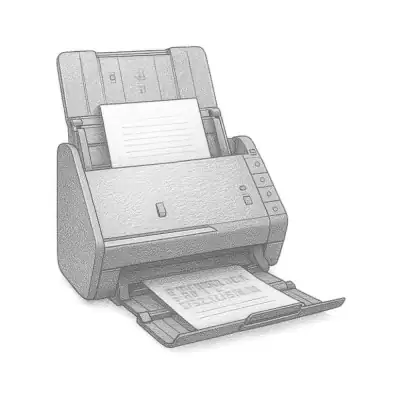
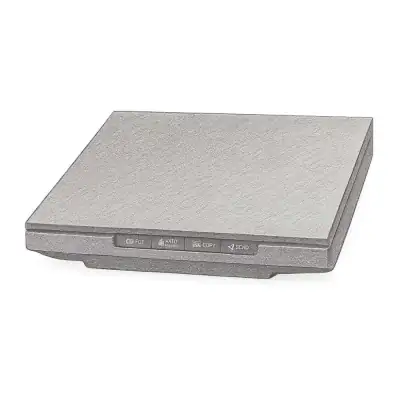
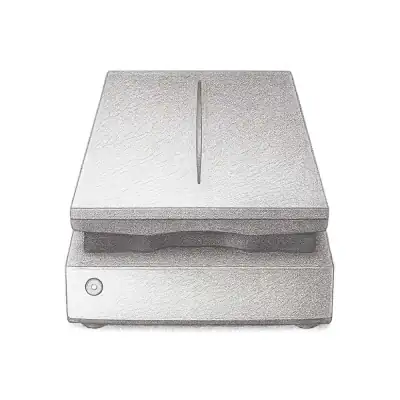
Photo scanners are devices designed to convert physical photographs, slides, negatives, and sometimes documents into digital images with high clarity, color accuracy, and detail. Unlike multifunction printers or smartphone camera apps, dedicated photo scanners are engineered specifically for image preservation, offering higher resolution, better dynamic range, and features tailored to photographic media.
The primary purpose of a photo scanner is to help individuals and families preserve memories by creating digital copies of printed photos, allowing for easier storage, sharing, editing, and protection against physical degradation. Key design features often include high optical resolution, adjustable color correction, dust and scratch reduction software, and specialized holders for slides or negatives. Compared with generic flatbed scanners or ad-hoc mobile captures, quality photo scanners deliver consistent results with enhanced detail and tone reproduction.
Photo scanners benefit photographers, archivists, hobbyists, and anyone seeking to digitize and safeguard analog photo collections. They are particularly useful for preserving family memories, historical archives, or creative work in formats that withstand the test of time.
How We Select the Best Products
Our selection of the best photo scanners is guided by expertise in imaging technology, archival preservation, and user experience. We evaluate products based on performance, accuracy, ease of use, and long-term reliability.
Key evaluation criteria include optical resolution and image quality, color fidelity, scanning speed, software capabilities (such as batch scanning and restoration tools), ease of media handling, and compatibility with commonly used operating systems. We also consider durability, brand reputation, and real-world feedback from verified users and trusted third-party review platforms.
To maintain objectivity and credibility, we avoid affiliate-driven rankings or promotional bias. Our focus remains on functional performance, consistency, and user satisfaction grounded in real-world scanning needs.
Considerations When Buying
When choosing the photo scanner, the following factors are especially important:
-
Optical Resolution: Higher resolution ensures better detail capture, especially important for enlarging or restoring old photos.
-
Image Quality & Color Accuracy: True-to-life color reproduction and dynamic range help retain the original look of prints.
-
Media Compatibility: Support for slides, negatives, and various print sizes increases versatility.
-
Scanning Speed: Faster scan rates save time, particularly when digitizing large collections.
-
Software Features: Tools for dust/scratch reduction, color restoration, and batch processing improve workflow and results.
-
Ease of Use: Intuitive controls, clear instructions, and easy media loading enhance daily usability.
-
Connectivity: USB, Wi-Fi, or cloud support options impact how easily you transfer and store scans.
Each consideration affects how effectively and efficiently you can preserve photo memories for long-term use.
Variations or Subcategories
Photo scanners come in several variations to meet different needs and preferences:
-
Flatbed Photo Scanners: Versatile models that handle prints, documents, and sometimes bulky items with ease, ideal for mixed scanning tasks.
-
Dedicated Photo & Slide Scanners: Compact units focused on rapid scanning of photos, slides, and negatives, often with specialized holders.
-
Sheet-Fed Scanners with Photo Mode: Offer fast scanning from stacks of photos or documents but with portability and space savings.
-
Portable Handheld Photo Scanners: Handheld options that allow scanning without a fixed base, suited for quick digitization and travel.
-
All-in-One Scanning Systems: Devices that combine features for photos, slides, negatives, and documents in one package.
Each variation supports different use cases—from high-volume archiving to portable, on-the-go digitization.
Why Buying Photo Scanners Direct Is Better for Everyone
Purchasing photo scanners directly from manufacturers often provides clearer insight into product specifications, calibration standards, and software features. Buying direct can remove intermediary markups and help ensure transparent pricing and accurate product information.
Direct engagement with manufacturers also often means more responsive access to customer support, firmware updates, and driver compatibility assistance. For brands, direct consumer feedback is invaluable for refining scanning technology, improving software tools, and enhancing performance in future models.
For consumers, buying direct builds confidence in product quality, fosters accountability, and often leads to better service and support. For manufacturers, it encourages ongoing innovation and higher standards—ultimately resulting in photo scanners that better preserve memories with clarity and ease.
Explore Categories in San Diego


Explore Product Categories