Best Wood Spatulas
According to The Cut List, 3 great picks for the best wood spatulas are Earlywood Big Tera Scraper, Earlywood Flat Saute Set, and IKEA Huldhet Spatula Walnut.
How we make our picks →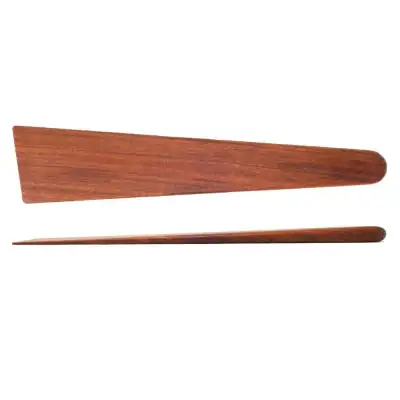
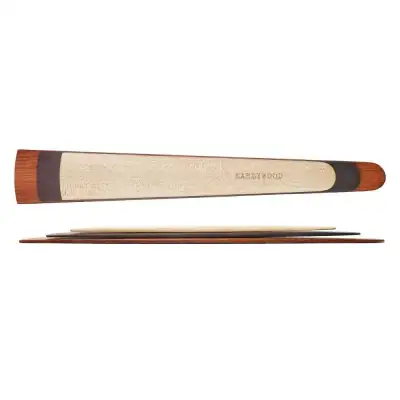
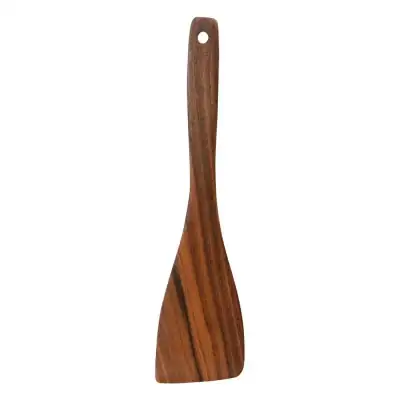
Wood spatulas are versatile kitchen tools crafted from various types of wood, such as maple, beech, or bamboo. They are commonly used for stirring, flipping, and serving foods, especially in nonstick cookware. Their soft, smooth surfaces make them gentle on cookware, preventing scratches and prolonging the life of pots and pans. Additionally, wood is a poor conductor of heat, ensuring that handles remain cool during cooking.
In everyday cooking, wood spatulas excel at tasks that require gentle handling, such as stirring delicate sauces or flipping tender fish fillets. They bring a touch of natural elegance to your kitchen while serving functional roles. Sustainable and durable, wood spatulas are also great for those who prefer environmentally friendly cooking tools. The ergonomic design and natural materials make them comfortable to use during long cooking sessions, contributing significantly to a pleasurable culinary experience.
How We Select the Best Products
At The Cut List, selecting the top 3 wood spatulas involves thorough research and the application of expert insights. Our dedicated shopkeepers utilize their extensive industry knowledge alongside trustworthy sources.
We focus on providing reliable recommendations by avoiding questionable websites and affiliate-driven misinformation, ensuring our picks reflect quality and dependability.
Continuous Improvement of Recommendations
The Cut List is dedicated to refining our product selection methodology over time by engaging with industry experts and brands via our Interesting Finds Ads. This collaborative approach bolsters the reliability and accuracy of our wood spatula selections. By incorporating feedback from both brands and consumers, we ensure our recommendations evolve so they continue to meet changing market demands and preferences.
Considerations When Buying
When choosing a wood spatula, several important factors should be considered to ensure it aligns with your cooking needs. Here’s what to look for in wood spatulas:
Material: Consider woods like bamboo for sustainability or maple for durability and aesthetic appeal.
Handle Comfort: Choose spatulas with ergonomic designs for easy handling during long cooking sessions.
Finish: Ensure the spatula is well-sanded and treated with food-safe oil to resist moisture and stains.
Size and Shape: Consider the spatula’s size and shape for various cooking tasks, from stirring to flipping.
Maintenance: Look for spatulas that are easy to clean and maintain, usually requiring simple hand washing and occasional oiling.
Understanding how to choose the best wood spatulas will help enhance your cooking experience and maintain the quality of your cookware.
Variations or Subcategories
Among wood spatulas, several variations cater to different culinary needs:
Slotted Wood Spatulas: Feature slots for better drainage of liquids, ideal for greasy or saucy foods.
Solid Wood Spatulas: Best for straightforward stirring and flipping tasks, offering more stability.
Angled Wood Spatulas: These offer a slanted edge for easier flipping and maneuvering in pans.
Understanding the different types of wood spatulas available will ensure you select the right one for your specific cooking requirements.
Why Buying Wood Spatulas Direct is Better for Everyone
Purchasing wood spatulas directly from the brand offers numerous benefits. Consumers generally enjoy better pricing by eliminating intermediaries, while brands profit more directly, which they can channel back into enhancing product quality and innovation.
This cycle of direct purchase supports a marketplace where better wood spatulas are developed, offering consumers more value. Avoiding monopolistic middlemen who inflate prices without additional benefits creates a more equitable market, benefiting both consumers and producers alike by fostering fairness and quality.
Explore Categories in San Diego


Explore Product Categories