Best Wood Spoons
According to The Cut List, 3 great picks for the best wood spoons are Lancaster Cast Iron Wooden Resting Corner Spoon, IKEA Rort Spoon Round, and Jonathan's Spoon Spootle®.
How we make our picks →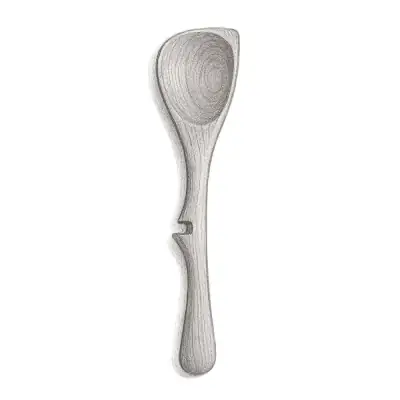
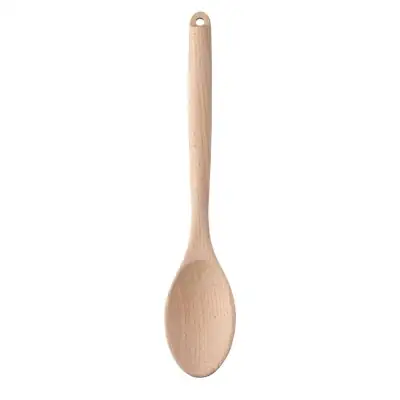
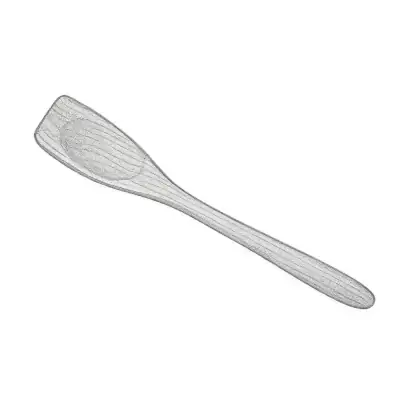
Wood spoons are traditional kitchen tools used for stirring, mixing, and serving a variety of foods. They are typically made from durable woods such as beech, olive, or bamboo, known for their strength and ability to withstand frequent use. These spoons are ideal for use with nonstick cookware, as they will not scratch or damage the cooking surface. The gentle yet sturdy nature of wood spoons makes them indispensable in the kitchen for preparing anything from delicate sauces to hearty stews.
In day-to-day life, wood spoons offer a comfortable grip and a classic aesthetic that many cooks appreciate. Their insulating properties mean that they stay cool to the touch when used in hot liquids, providing a safe experience for the chef. Eco-friendly and biodegradable, wood spoons also appeal to environmentally conscious consumers seeking sustainable alternatives to plastic kitchen utensils. Overall, they are a versatile and essential addition to any kitchen, contributing significantly to the efficiency and enjoyment of cooking.
How We Select the Best Products
At The Cut List, selecting the top 3 wood spoons entails a careful process based on expert knowledge and trusted industry insights. Our knowledgeable shopkeepers utilize in-depth testing along with reviews from renowned sources.
By filtering out unreliable reviews and affiliate-driven misinformation, we ensure our recommendations are based on genuine and credible evaluations to best serve our customers.
Continuous Improvement of Recommendations
The Cut List commits to enhancing our product selection process by collaborating with industry experts and engaging with brands through our Interesting Finds Ads. This ongoing system allows us to refine the trustworthiness and relevance of our wood spoon selections. By incorporating feedback from both brands and consumers, we continuously align our selections with current market demands and kitchen trends.
Considerations When Buying
When selecting wood spoons, there are several important factors to consider to ensure they meet your culinary needs. Here’s what to look for in wood spoons:
Material: Choose wood types like bamboo for sustainability or olive wood for aesthetics and durability.
Size: Ensure the spoon is appropriately sized for your cookware and tasks, whether stirring soups or serving pasta.
Finish: Opt for spoons treated with food-safe oils to enhance their longevity and resistance to moisture.
Comfort: Look for ergonomic designs that offer a secure and comfortable grip.
Maintenance: Consider ease of cleaning and the need for occasional oiling to preserve the wood.
Understanding how to choose the best wood spoons will enhance your cooking experience and protect your cookware investment.
Variations or Subcategories
There are several types of wood spoons, each catering to specific kitchen tasks:
Slotted Wood Spoons: Feature slots for draining excess liquids, ideal for removing cooked items from hot water or sauces.
Solid Wood Spoons: Perfect for stirring and serving, offering more stability for thicker foods like stews and doughs.
Long-Handled Wood Spoons: Provide extra reach for deep pots and safer stirring at higher temperatures.
Exploring the different kinds of wood spoons ensures you select the right one for your cooking style and needs.
Why Buying Wood Spoons Direct is Better for Everyone
Purchasing wood spoons directly from the manufacturer provides considerable benefits for consumers and producers alike. By cutting out middlemen, consumers often find better prices and exclusive deals, while brands retain healthier profit margins, which they can reinvest in enhancing product quality and innovation.
This beneficial cycle allows brands to offer superior wood spoon products and consumers to enjoy greater value. Eliminating monopolistic middlemen who inflate prices without providing additional value encourages a more equitable and effective market, ensuring quality and fairness prevail in consumer purchases.
Explore Categories in San Diego


Explore Product Categories